

The Toronto Performance Art Collective (TPAC)
— producers of the 7a*11d festival —
About Us
The History of TPAC and 7a*11d
The Toronto Performance Art Collective (TPAC) is a not-for-profit, artist-driven collective that curates and produces English Canada’s oldest ongoing biennial of performance art. In non-festival years collective members engage in a variety of other performance-based projects. 7a*11d was established in 1997 by a group of performance artists, collectives, and organizers, eager to develop a forum for performance art in Toronto. The first 7a*11d International Festival of Performance Art, in August 1997, presented the work of 60 local, national and international artists. Currently comprised of seven members, we officially incorporated under the name Toronto Performance Art Collective in 2012 after years of just being known as 7a*11d.
Our Vision:
- To bring to audiences the best of contemporary performance, action and live art from around the world.
- To provide research, exhibition, development and discussion opportunities for performance artists and live art curators.
- To inform and expand audiences for performance art.
- To encourage the exchange of ideas, information, and strategies in the field of performance art.
- To document work for archival and pedagogical purposes
- To bring forward a lived history of performance art in Canada.
Our Values:
- Presenting and supporting artists from a wide range of generations, geographies, genders, abilities, races, and artistic points of view in the realization and reception of their work.
- Partnering with artist-driven organizations such as FADO Performance Art Centre, imagineNATIVE, Vtape, WIA Projects, the Theatre Centre, and others.
- Engaging with local, national and international networks of performance artists, festivals and venues.
What’s with the name 7a*11d?
Some people might be flummoxed by our unpronounceable name. Where did it come from and what is it supposed to mean? Does it have some connection to the convenience store? Here’s one version: the numbers 7 and 11 come from the dates of our first festival, August 7 to 11, 1997, while the “a” and the “d” refer to the “across” and “down” nature of our early programming, which was a complex conglomeration of independently curated thematic programs in multiple locations. We wondered if the audience would be able to decipher our Byzantine programming format, which would be like trying to read a crossword puzzle. 7 across, 11 down, 7a, 11d! 7a*11d was the final version, though that still leaves the mystery of the “silent” asterisk…
Statement of Solidarity
We condemn recent and past acts of violence against Black, Indigenous and marginalized people in Toronto and across Canada and Quebec. These acts and the systems that promulgate racism on a daily basis have caused the entire performance art community pain. We stand in solidarity with Black artists, colleagues, and community members in demanding justice and equality in our society.
We recognize that more needs to be done. Anti-racism is an ongoing practice and so, we wish to reaffirm our commitment to reflecting an anti-racist agenda in all of 7a*11d’s activities.
Collective Members

Francisco-Fernando Granados
Francisco-Fernando Granados was born in Guatemala and lives in Toronto, Dish With One Spoon Territory. Since 2005, his practice has traced a movement from convention refugee to critical citizen, enacting abstraction site-specifically and relationally to create projects that challenge the stability of practices of recognition. His work has developed from the intersection of formal painterly training at Langara College, working in performance through artist-run spaces, the study of queer and feminist theory at Emily Carr University, and early activism as a peer support worker with immigrant and refugee communities in Coast Salish Territories. This layering of experiences trained his intuitions to seek context-responsive approaches, alternative forms of distribution, and the weaving of lyrical and critical propositions. Key projects include ‘who claims abstraction?’ (2023-24) a solo exhibition and artist book produced with SFU Galleries (Vancouver BC); ‘foreward’ (2021-23), a series of site specific installations in dialogue with the permanent collection at The MacLaren Art Centre (Barrie ON); and ‘refugee reconnaissance’ (2021), a bilingual compilation of performance scores spanning 2005-2013 exhibited at AXENÉO7 (Gatineau QC). Other highlights include participation in international group shows on contemporary queer aesthetics at the Hessel Museum (2015) and Ramapo College (2016) in the United States and Malmö Konstmuseum (2022) in Sweden.
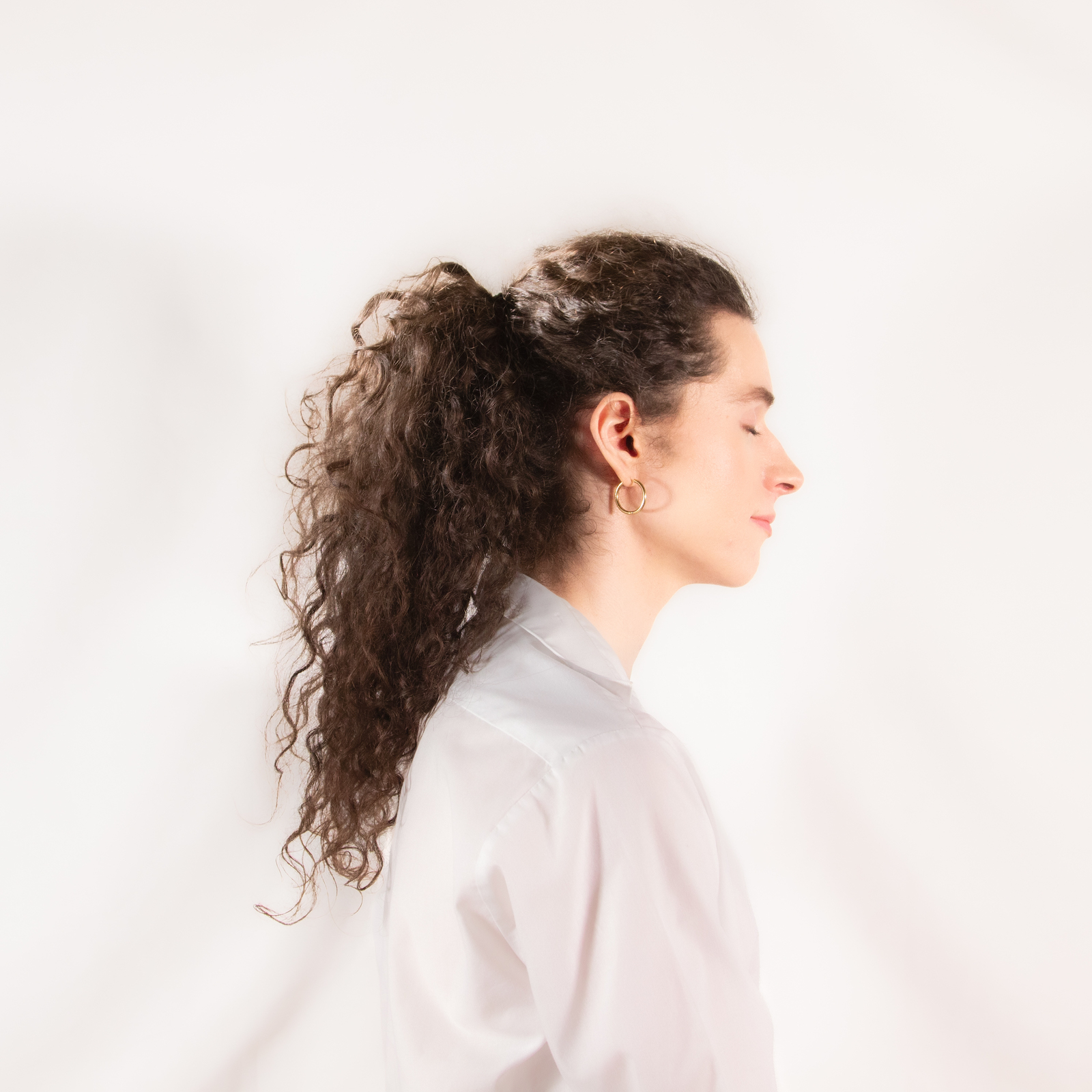
James Knott
James Knott is a Toronto-based artist and graduate of OCAD University. Their practice spans performance, music, and moving images, employing tactics of self-mythologizing as a means to bridge personal narratives into communal ones. Lately their work has oscillated between more gesturally based performance actions, to highly ornate and layered video compositions and music, to explore themes of queer and trans identity, and how gendered archetypes can interrogate the politics of desire. An alumnus of The Roundtable Residency and the Buddies In Bad Times Emerging Creators Unit, they’ve exhibited/performed at Xpace Cultural Centre, Trinity Square Video, the Toronto Feminist Art Conference, FADO Performance Art Centre, the 7a*11d International Festival of Performance Art, Montreal’s Festival Phénomena, the Art Gallery of Hamilton, and the Art Gallery of Ontario.
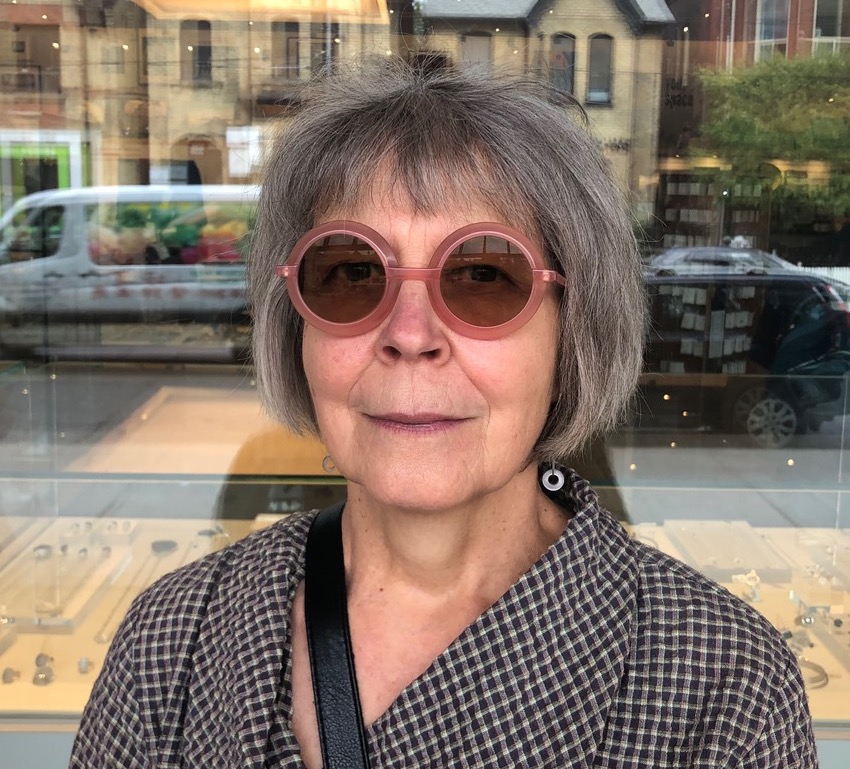
Johanna Householder
Johanna Householder is one of the co-founders of the 7a*11d International Festival of Performance Art, held biannually in non-pandemic years, in Toronto. Her interest in how ideas shape and move through bodies and has led her often collaborative practice in performance art, video, dance and other media. As a member of the feminist performance ensemble, The Clichettes (with Louise Garfield and Janice Hladki), throughout the 1980s she helped establish lip sync as a viable medium for political critique. She has performed across Canada and at international venues for 40 years. She is also writes about performance and with Tanya Mars, she co-edited two books: Caught in the Act: an anthology of performance art by Canadian women (2004), and More Caught in the Act (2016). She is professor emeritus at OCADU, where she has taught performance art since 1988.
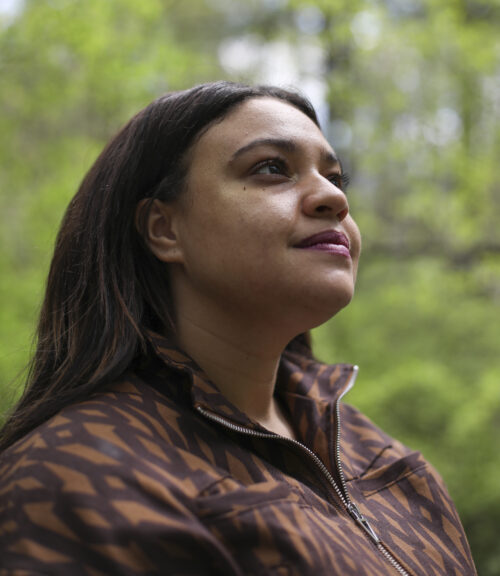
Kiera Boult
Kiera Boult is an interdisciplinary artist and performer from Hamilton, ON. Boult’s practice utilizes camp and comedy to skeptically address issues that surround the role and/or identity of the artist and the institution. Her most recent performance Hamilton’s My Lady (2022) was a part of the 2022 7a*11d International Festival of Performance Art and Supercrawl – Hamilton’s Music + Arts Festival. In 2019, Boult received the City of Hamilton Arts Award for Emerging Visual Artist. Her work has been exhibited at the Art Gallery of Ontario, the Art Gallery of Hamilton, and Artcite Inc. Windsor. She holds a BFA in Criticism and Curatorial Practice from OCAD University and is currently Vtape’s Submissions, Collections & Outreach Coordinator.
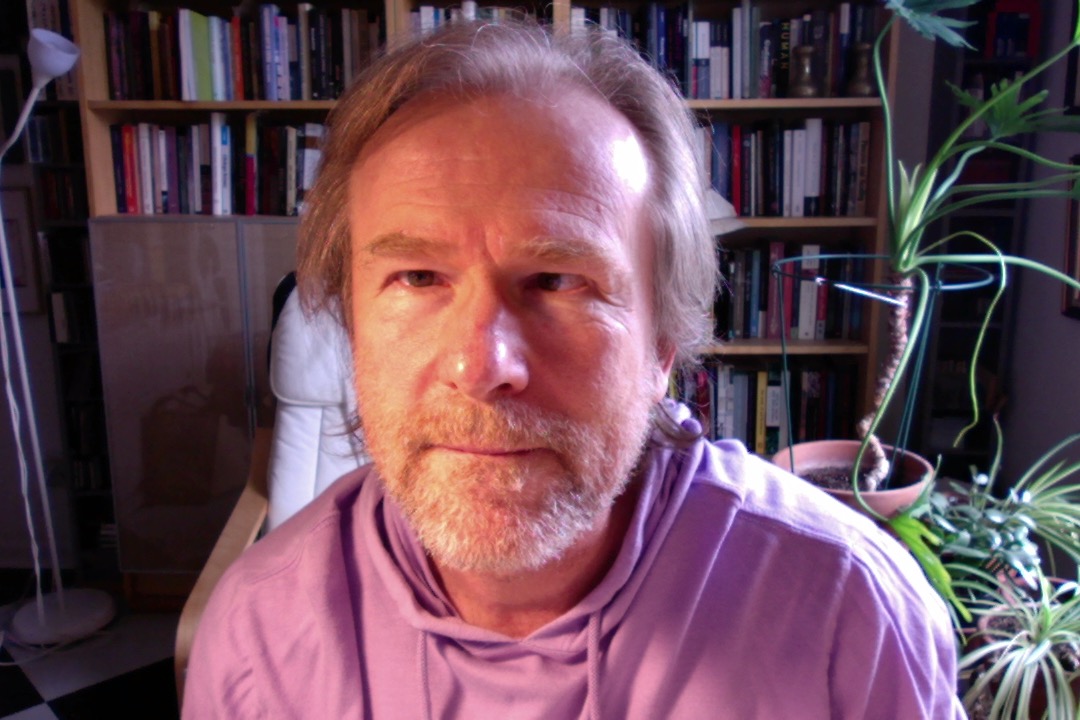
Paul Couillard
Paul Couillard has been working as a queer artist, curator, and performance art scholar since 1985. He has created well over 300 performance works in 26 countries, often with his husband and collaborator, Ed Johnson. Paul was the Performance Art Curator for FADO from 1993 until 2007, and is a founding co-curator of 7a*11d. His main areas of interest include site-responsiveness, building community, and addressing trauma through explorations of our bodies as shared vessels of sensation, experience, knowledge and spirit. He is the editor of the monograph series Canadian Performance Art Legends, and has been a lecturer at McMaster University and the University of Toronto Scarborough. He recently completed a doctorate through the York Graduate Program in Communication and Culture. His dissertation Rethinking Presence with a Thinking Body: Intra-active Relationality and Animate Form offers a meditation on presence from the perspective of a thinking body, integrating insights from continental philosophy, popular neuroscience, and interactive performance art practices.
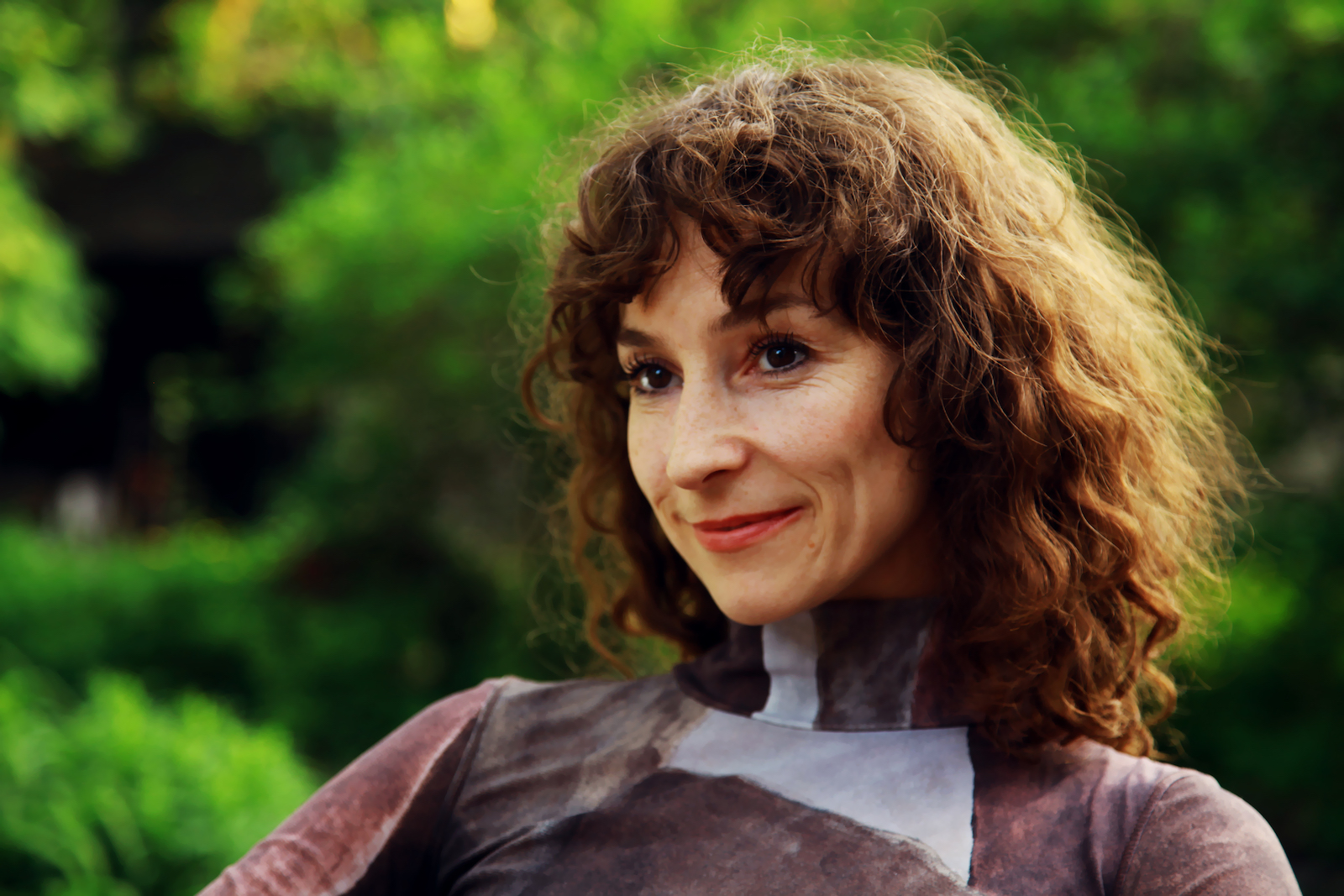
Shalon T. Webber-Heffernan
Shalon T. Webber-Heffernan is an independent curator, writer, and performance art scholar with a PhD in Theatre and Performance Studies. She is currently on faculty at Dance Arts Institute (formerly the School of Toronto Dance Theatre), and her writing has appeared in Performance Matters, Theatre Research in Canada, C Magazine, Comparative Media Arts Journal, Peripheral Review, and Canadian Theatre Review. A member of the Toronto Performance Art Collective and a collaborator with Hemispheric Encounters: Transborder Research-Creation Practices, Shalon has curated projects with FADO Performance Art Centre, the Blackwood Gallery, Vtape, and Sensorium: Centre for Digital Arts and Technology. Her research and curatorial work have been presented internationally.

Vanessa Godden
Vanessa Godden (they, them) is a queer Indo-Caribbean and Euro-Canadian artist, educator, and curator. They are based in Tsí Tkarón:to/Toronto, the traditional territory of the Anishinaabe, including Mississaugas of the Credit, Chippewa, Haudenosaunee, and Wendat peoples. Godden’s transdisciplinary practice explores how personal histories and the body in relation to geographic space can be conveyed through oral and somatic storytelling in art. They draw from their multi-ethnic diasporic experiences to build multi-sensory performances, videos, sound installations, book art pieces, and net-art that unfurl the impacts of trauma on the body, connections to community, and tethers to culture. Godden is a sessional lecturer at the Toronto Metropolitan University and the University of Toronto. They are the co-founder of the curatorial collective Diasporic Futurisms. Godden holds a PhD from the Victorian College of the Arts, an MFA from the Rhode Island School of Design, and a BFA from the University of Houston.
Former Collective Members
- Gale Allen
- Golboo Amani
- Jubal Brown
- Churla Burla
- Terril-Lee Calder
- Annie Onyi Cheung
- Shannon Cochrane
- William Davison
- Jess Dobkin
- Jim Drobnick
- Dave Dyment
- Peter Flemming
- Heather Haynes
- Adam Herst
- Sherri Lyn Higgins
- Rochelle Holt
- Bernice Kaye
- Jenny Keith
- Will Kwan
- Louise Liliefeldt
- Tanya Mars
- Stefanie Marshall
- Derek Mohamed
- Tracy Renée Stafford
- Zoë Stonyk
- Bojana Videkanic